

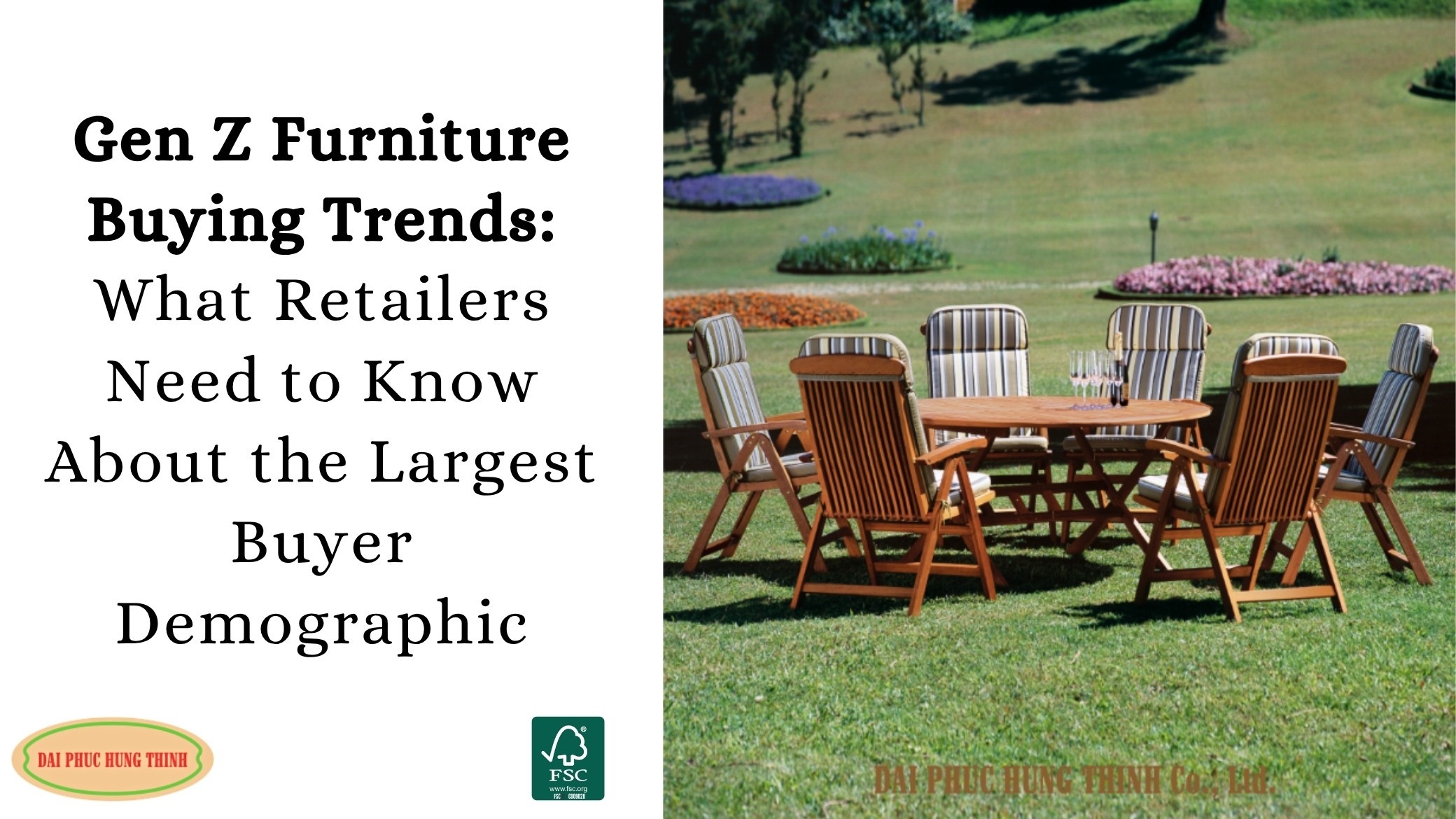
Gen Z (ages 22-28) now represents 25% of furniture buyers, the largest single demographic in the market.
They're outpacing Millennials, Gen X, and Boomers combined in purchase intent for the second half of 2025.
At Dai Phuc Hung Thinh Furniture, we frequently read market reports to stay informed about trends and provide our clients with valuable insights. We analyzed recent consumer research covering thousands of Gen Z furniture shoppers across North America and Europe to understand what's actually driving their decisions.
If you're sourcing for 2026, these insights will reshape how you think about product selection, pricing strategy, and market positioning.
Reading time: 2 minutes
1/ They're Buying Secondhand First, New Second
Walk into a Gen Z apartment and there's a good chance that dining table came from Facebook Marketplace, not a showroom. This isn't just budget furniture shopping—it's a fundamental shift in how this generation approaches ownership.
The data tells a compelling story:
Facebook Marketplace now has over 1 billion monthly users and is the second most popular platform for secondhand purchases behind eBay. Among young adults ages 18-34, 33% are most likely to buy furniture on Marketplace—the highest of any category.
One Gen Z buyer put it simply: "I only use Facebook for Marketplace."
The average person spends around $8,200 furnishing an apartment—money that Gen Z simply doesn't have or doesn't want to spend upfront.
Why this is happening:
Economic pressure is the obvious factor. Gen Z is entering the furniture market during a period of high living costs, student debt, and entry-level wages that haven't kept pace with inflation. When tariffs and shipping costs push new furniture prices even higher, the secondhand market becomes not just attractive—it's necessary.
But it's more than economics. Sustainability values matter deeply to this generation. They see buying used as environmental responsibility, not just budget constraint. There's zero social stigma attached to secondhand furniture anymore—in fact, scoring a vintage find or designer piece for a fraction of retail is a flex, not something to hide.
Here's what it means for you and your retailing business:
Gen Z isn't avoiding your brand—they're just not ready yet.
Think of secondhand as their "trial period" with furniture ownership. They're learning what they like, what quality looks like, and what's worth investing in. When they do buy new, they want it to last. This is where FSC-certified hardwoods, durable construction, and transparent sourcing become selling points. They've seen enough particleboard junk fall apart after one move. Quality—real, provable quality—justifies the premium.
The opportunity: Position your products as the upgrade they'll want in 2-3 years when they're more established. Don't fight the secondhand trend; acknowledge it and offer them something worth saving for.
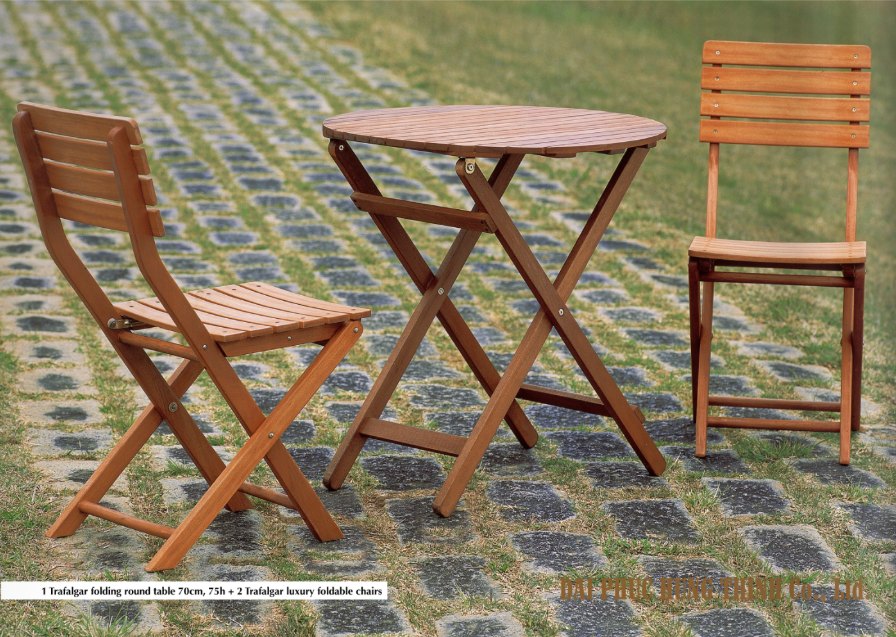
The Trafalgar Outdoor Coffee Set, made with 100% FSC Eucalyptus by Dai Phuc Hung Thinh Furniture
2. They Search on TikTok, Not Google
84% of Gen Z purchases are influenced by social media, with TikTok, Instagram, and YouTube as the primary discovery channels. They're not searching "outdoor dining set"—they're scrolling through their feed, stopping when something catches their eye, screenshotting it, and then hunting down the brand.
"Furniture haul" videos generate millions of views. The typical journey: see furniture in a real home on TikTok → screenshot → search the brand → save or buy. Visual discovery drives everything.
Why this matters:
Gen Z thinks visually first. They need to see furniture in real spaces, real lighting, real homes—not studio product shots. They trust micro-influencers over brands.
A 20K-follower creator showing an authentic apartment setup feels more credible than polished brand campaigns.
The algorithm drives discovery, not intent. Traditional retail assumes customers know what they're looking for.
Gen Z discovers what they want by seeing it, not searching for it.
Here's what you and your company should consider:
User-generated content beats professional photography for this audience. Encourage customers to post their furniture with incentives—discounts, features, giveaways. When real people show your products in their actual homes, that's marketing gold.
Partner with micro-influencers (10K-100K followers) in your target markets. Send them furniture, let them style it authentically. The ROI often exceeds traditional advertising because the content feels genuine, not scripted.
3. Rental-Ready Is Non-Negotiable
Gen Z doesn't just prefer lightweight, portable furniture—they require it. This generation is moving more frequently than any before them, and their furniture needs reflect that reality.
The rental economy defines their choices:
The average Gen Z renter moves approximately every 12-18 months, driven by job mobility, roommate changes, and housing affordability pressures.
What this means for furniture:
Lightweight matters. If it requires three people to move, Gen Z will choose something else—even if it means sacrificing quality or aesthetics.
Foldable and stackable win. Outdoor furniture that breaks down easily isn't just convenient—it's essential. Chairs that fold, tables that collapse, modular pieces that separate—these features aren't nice-to-have, they're deal-breakers.
Assembly anxiety is real. If it takes two hours to assemble, they're already dreading the next move. Simple, tool-free assembly isn't just about the first setup—it's about knowing they can disassemble and reassemble without losing their minds.
Landlord restrictions force adaptability. Most can't drill, mount, or modify. Furniture must be freestanding and leave no damage.
What this means for your business: Highlight weight in product specifications. Market pieces as "one-person carry" or "fits in a car" if applicable. These details matter more to Gen Z than you'd think. Emphasize modular and adaptable designs. Furniture that works in a studio balcony today and a suburban patio tomorrow has staying power with this demographic.
About Dai Phuc Hung Thinh Furniture
As one of Vietnam's most experienced garden furniture suppliers since 2003, we’ve specialized in manufacturing 100% FSC®-certified outdoor furniture using sustainably sourced acacia and eucalyptus. Our past and present clients include JYSK, Segmüller, and other respected retailers globally.
We share these insights not just as a supplier, but as a partner invested in the long game of furniture, and in you.
As a family business, we’re able to work closely with you, share hard-earned insights, and offer the kind of personal service that only comes when you treat people like family.
Whether you work with us or not, we believe in sharing insights that help move the industry forward—because in a noisy market, clarity is what really matters. Contact us today at sales@daiphuchungthinh.com.vn to discuss your needs.